
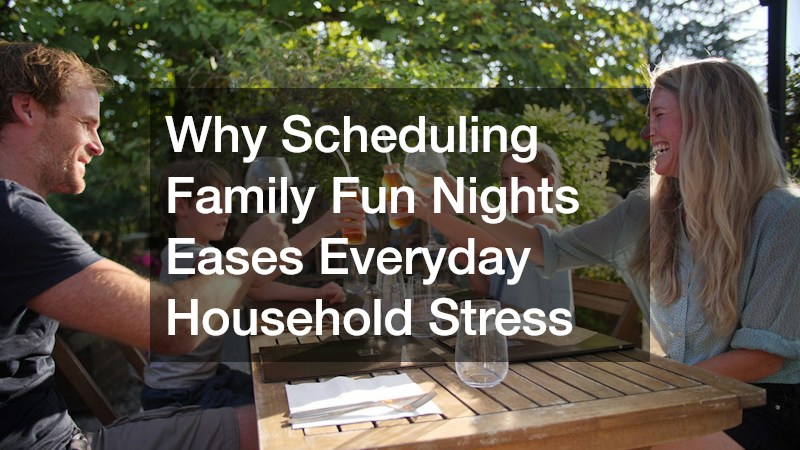
Between work deadlines, school schedules, and the endless pile of household chores, it is easy for families to drift apart without even noticing. Many parents feel the tension building at home but cannot quite pinpoint why everyone seems irritable or disconnected. The answer is often simpler than it seems: families need dedicated, unhurried time together to reset and reconnect. Scheduling regular family fun nights can transform the emotional climate of a household, turning stress into shared laughter and connection.
Set a Consistent Weekly Family Game Night
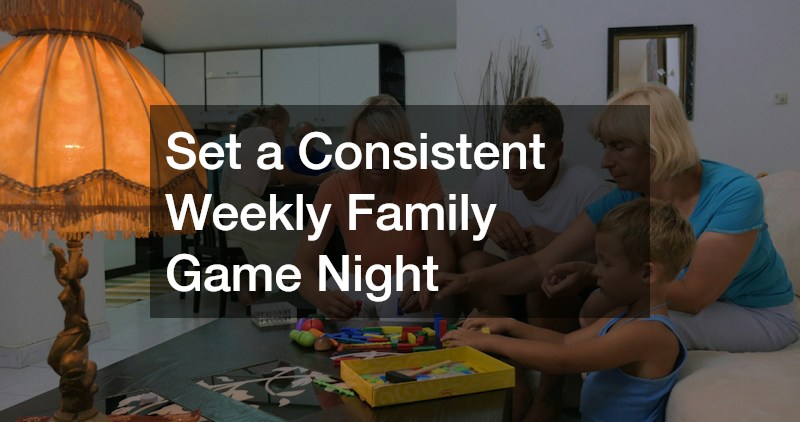
Consistency is the secret ingredient that makes family fun nights actually work. When a specific night, such as every Friday, is reserved for family time, everyone starts to anticipate it rather than letting other commitments crowd it out. This predictability reduces anxiety for kids especially, since they thrive on routine and look forward to knowing exactly when they will have their parents’ full attention. Over time, this weekly ritual becomes something the whole family protects fiercely, even during busy seasons.
Choosing a realistic day and sticking to it matters more than picking the “perfect” night. Families should treat this time block the same way they would an important appointment, writing it on the calendar and avoiding the temptation to cancel for minor reasons.
- Pick a night that works around sports practices or late work shifts
- Keep the commitment visible on a shared family calendar
- Rotate who picks the activity each week to build excitement
- Avoid scheduling other errands during this protected time
Plan Low Cost Activities That Reduce Financial Pressure
One of the biggest misconceptions about family fun nights is that they require a big budget. In reality, some of the most memorable evenings come from simple, low cost activities that do not add financial strain to an already stressed household. Board games, backyard scavenger hunts, and homemade pizza nights can be just as bonding as expensive outings, and they remove the pressure of spending money the family might not have to spare. This approach also teaches kids that quality time does not have to come with a price tag.
- Host a themed movie night with homemade snacks
- Try a DIY craft project using items already around the house
- Organize a neighborhood bike ride or nature walk
- Create a family trivia night based on inside jokes and shared memories
Use Mealtime Together to Strengthen Communication
Shared meals are a powerful but often overlooked tool for reducing household tension. When families sit down together without screens, conversations naturally flow, and kids feel more comfortable bringing up things that might be bothering them. This regular check-in time can prevent small frustrations from building into bigger conflicts later in the week. Even twenty minutes at the table, a handful of times a week, can make a noticeable difference. Try asking open-ended questions like “what was the hardest part of your day?” instead of a simple “how was school?” to invite more than a one-word answer. Rotating who picks the conversation topic, or taking turns sharing a highlight and a low point, keeps the ritual fresh and gives quieter family members a natural opening to speak up. Occasionally, families might plan a special outing to one of the best restaurants in town to celebrate a milestone or simply break up the routine, which can make the ritual of eating together feel even more meaningful. These outings do not need to be expensive or frequent; even a once-a-month reservation gives everyone something to look forward to and signals that the family’s time together matters enough to plan around. Letting kids help choose the restaurant or occasion adds a sense of ownership that makes the tradition stick. These outings do not need to happen often, but they reinforce the idea that togetherness, whether at home or out, is worth prioritizing. Over time, that consistency builds trust, making it easier for family members to bring up bigger concerns before they turn into lasting stress.
Rotate Responsibility for Choosing the Weekly Activity
Household stress often stems from feeling like one person, usually a parent, is always the one making decisions and managing logistics. Letting each family member take a turn planning the fun night activity distributes that mental load and gives kids a sense of ownership over family time. This rotation also introduces variety, since different personalities naturally gravitate toward different types of fun, from puzzles to outdoor games to creative projects.
Giving children decision-making power in this low-stakes setting also builds confidence and communication skills. They learn to consider other people’s preferences, negotiate compromises, and take pride in planning something the whole family enjoys.
- Create a rotating chart or jar system for picking activities
- Set a simple budget or time limit to keep planning realistic
- Encourage younger kids to choose with guidance from an older sibling
- Celebrate each person’s chosen activity, even if it is not a personal favorite
Create Phone Free Zones to Protect Quality Time
Constant notifications and screen distractions are a major source of disconnect within households, even when everyone is physically in the same room. Designating family fun nights as phone free time allows everyone to be fully present, which deepens the emotional benefit of the time spent together. This boundary also models healthy technology habits for children, showing them that relationships deserve undivided attention.
- Place phones in a basket near the entrance during family time
- Set a household norm that calls and texts can wait unless urgent
- Use a visible timer to signal when screens are allowed again
- Discuss as a family why this boundary matters to everyone’s wellbeing
Making family fun nights a regular part of the household routine is a small, manageable step that produces a noticeable ripple effect on everyone’s stress levels. The key is consistency, flexibility, and a willingness to let every family member contribute to the planning. Start with just one scheduled evening this week and notice how it shifts the overall mood at home. Over time, these small investments in togetherness can become the foundation for a calmer, more connected household.